
ISICW for ITEC Delegates

Bridging Borders Through Space Innovation


ISpA Hosts the Indian Space Industry Capability Workshop for ITEC Delegates New Delhi | 08 May 2026 —

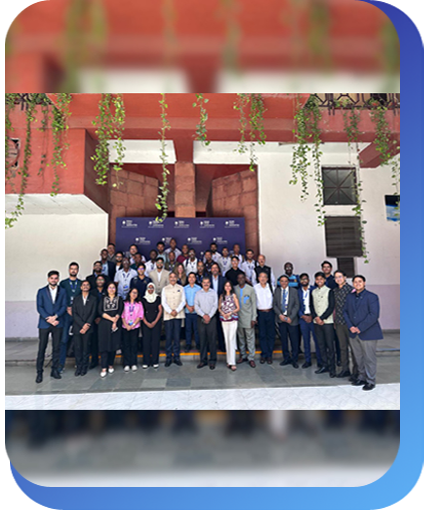
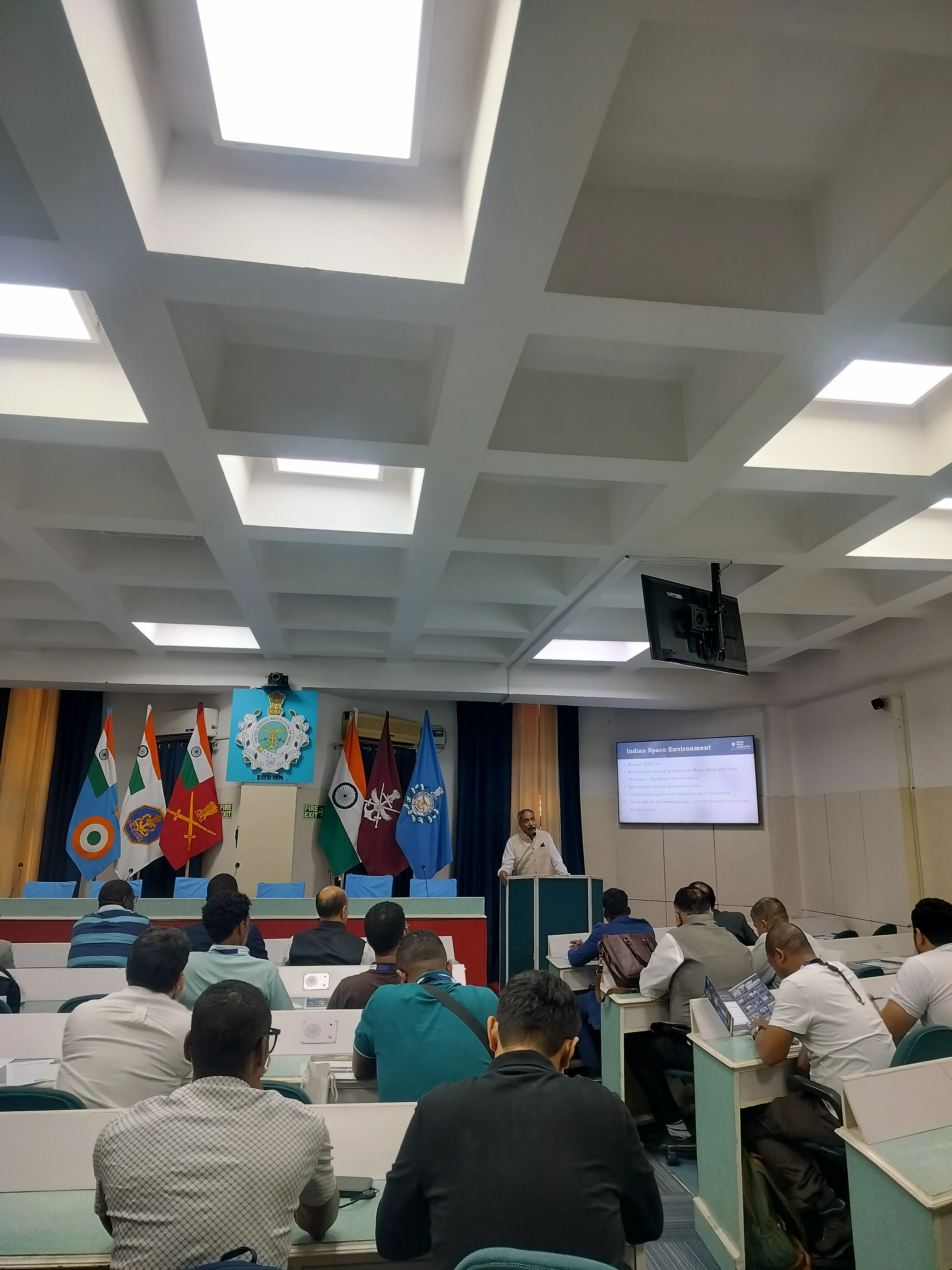
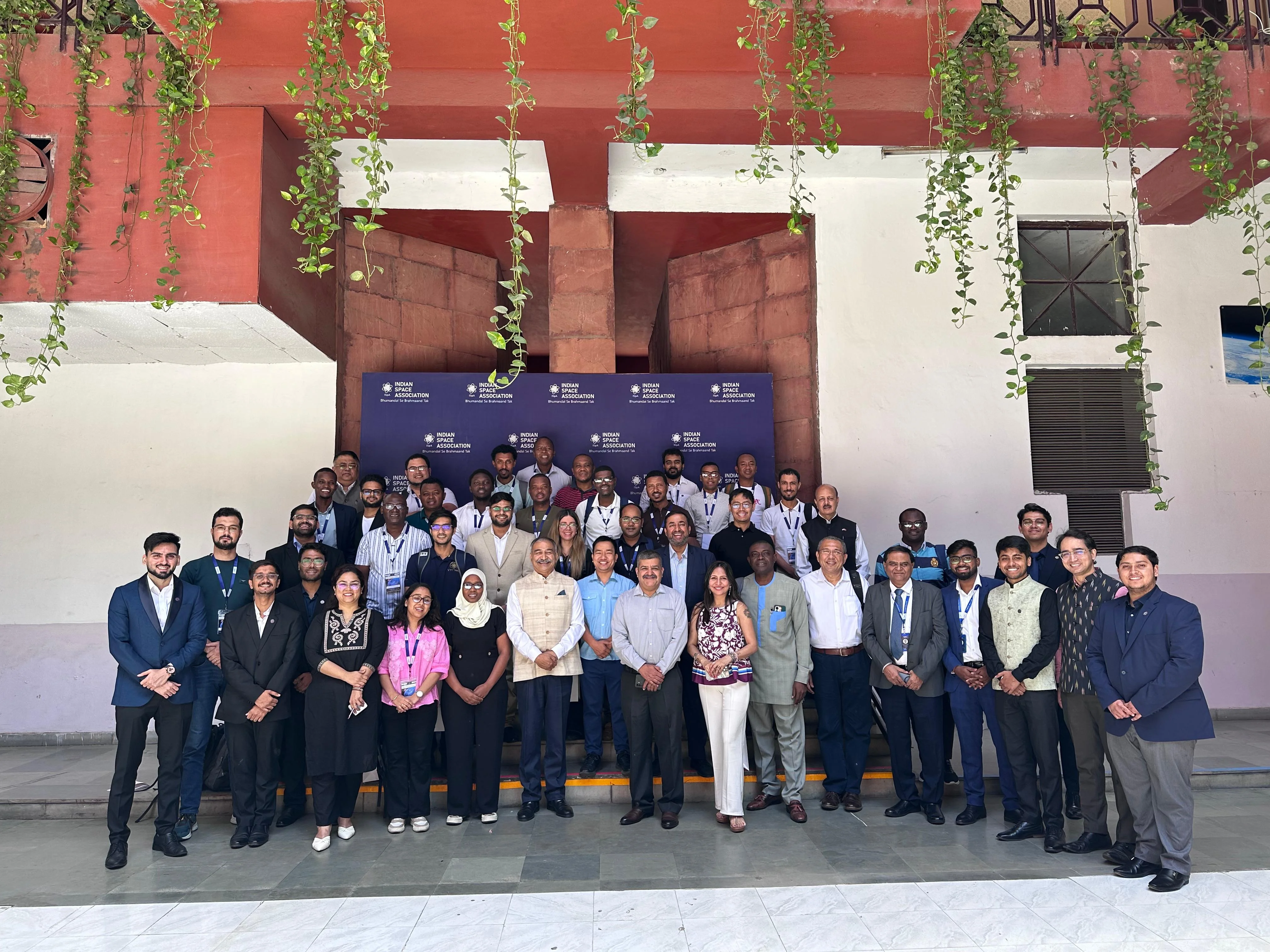
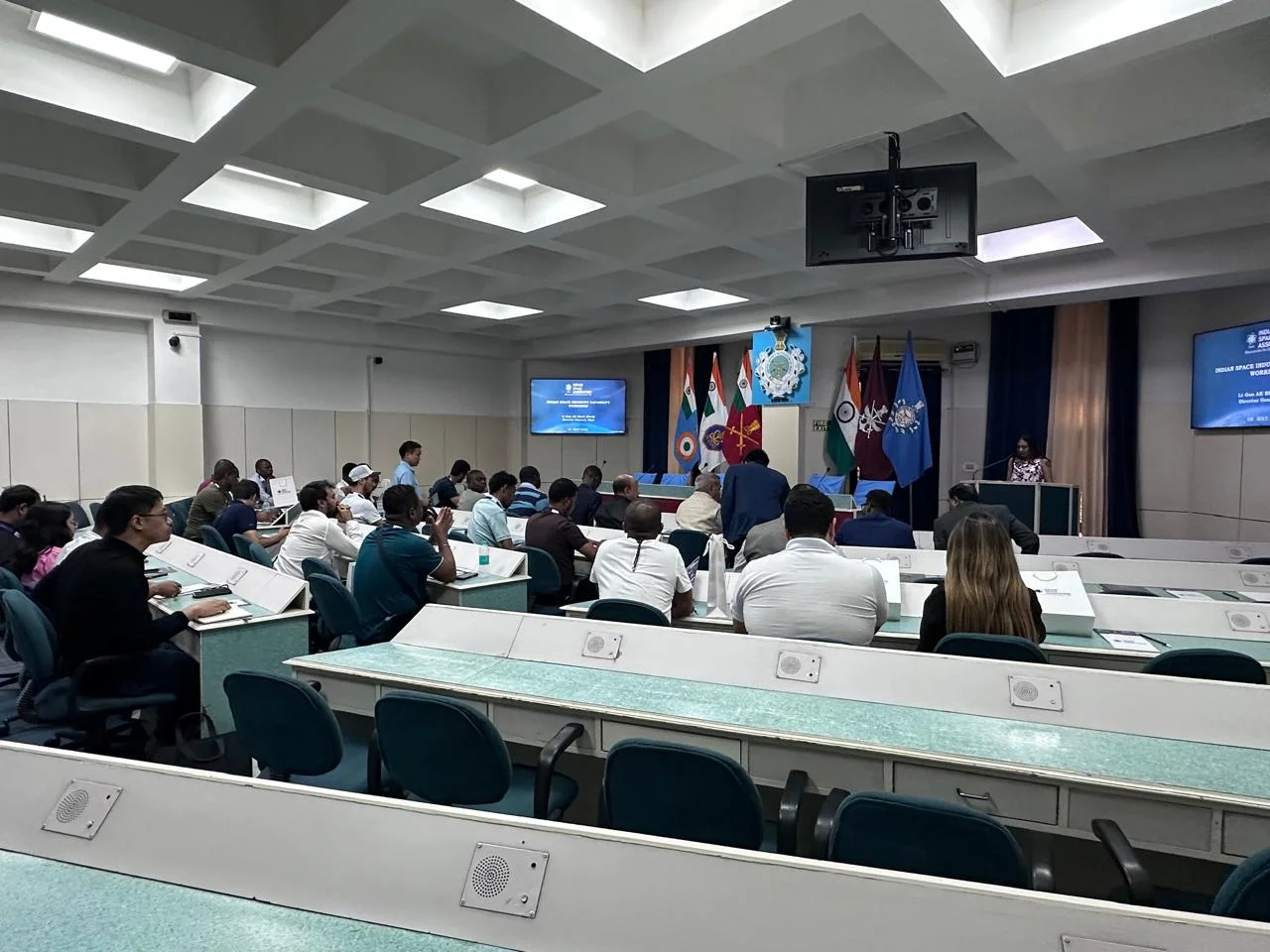
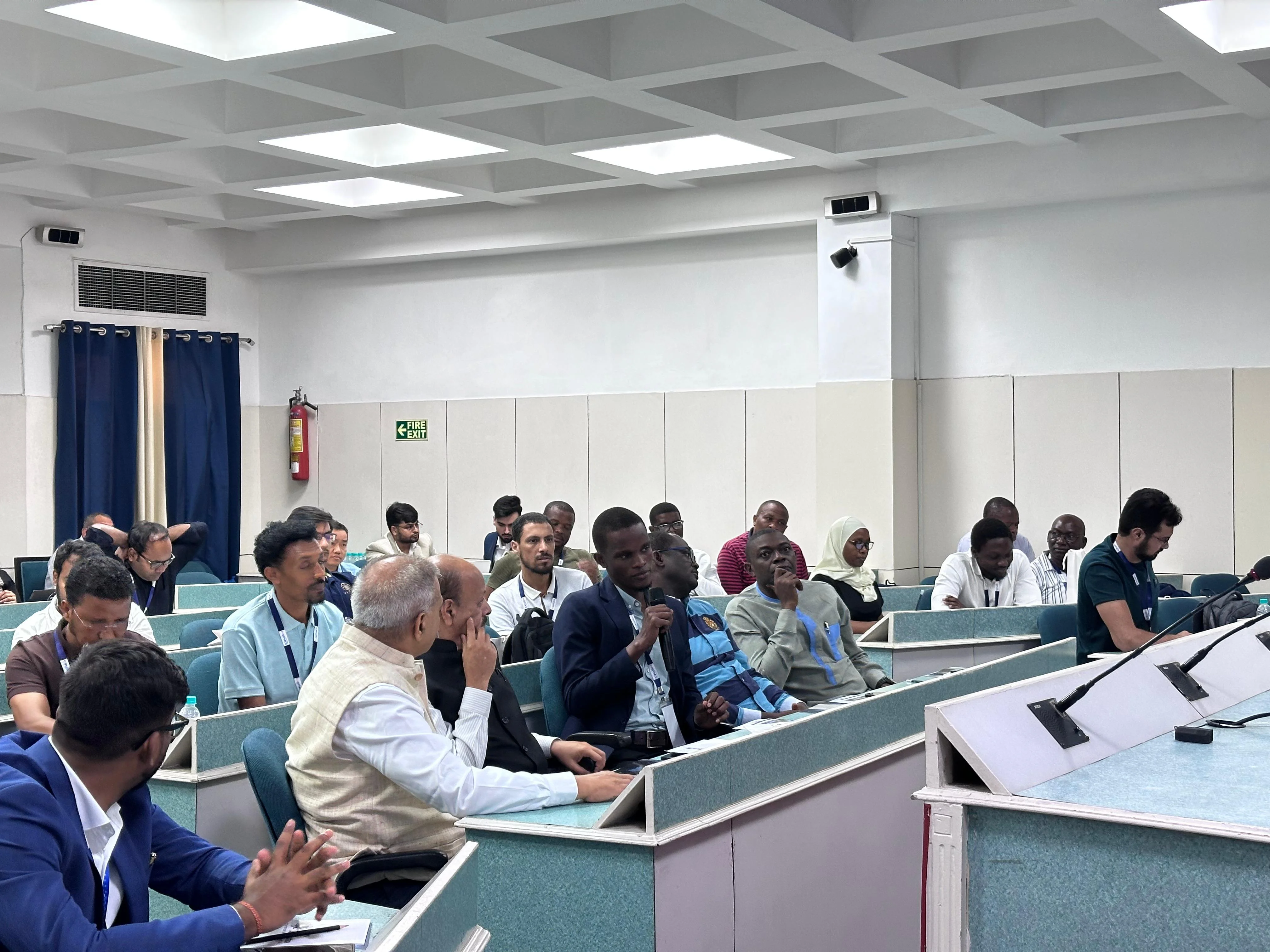
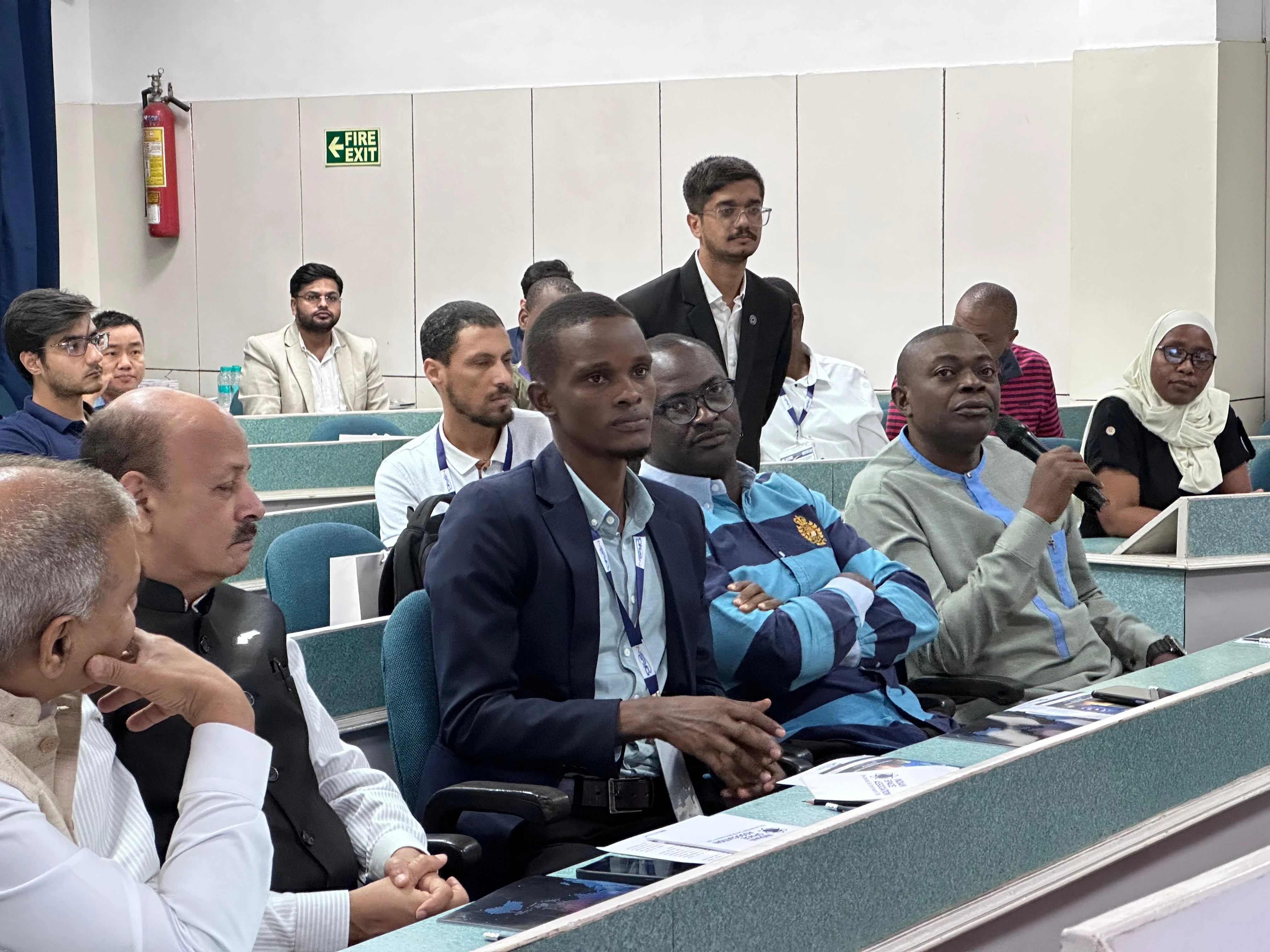
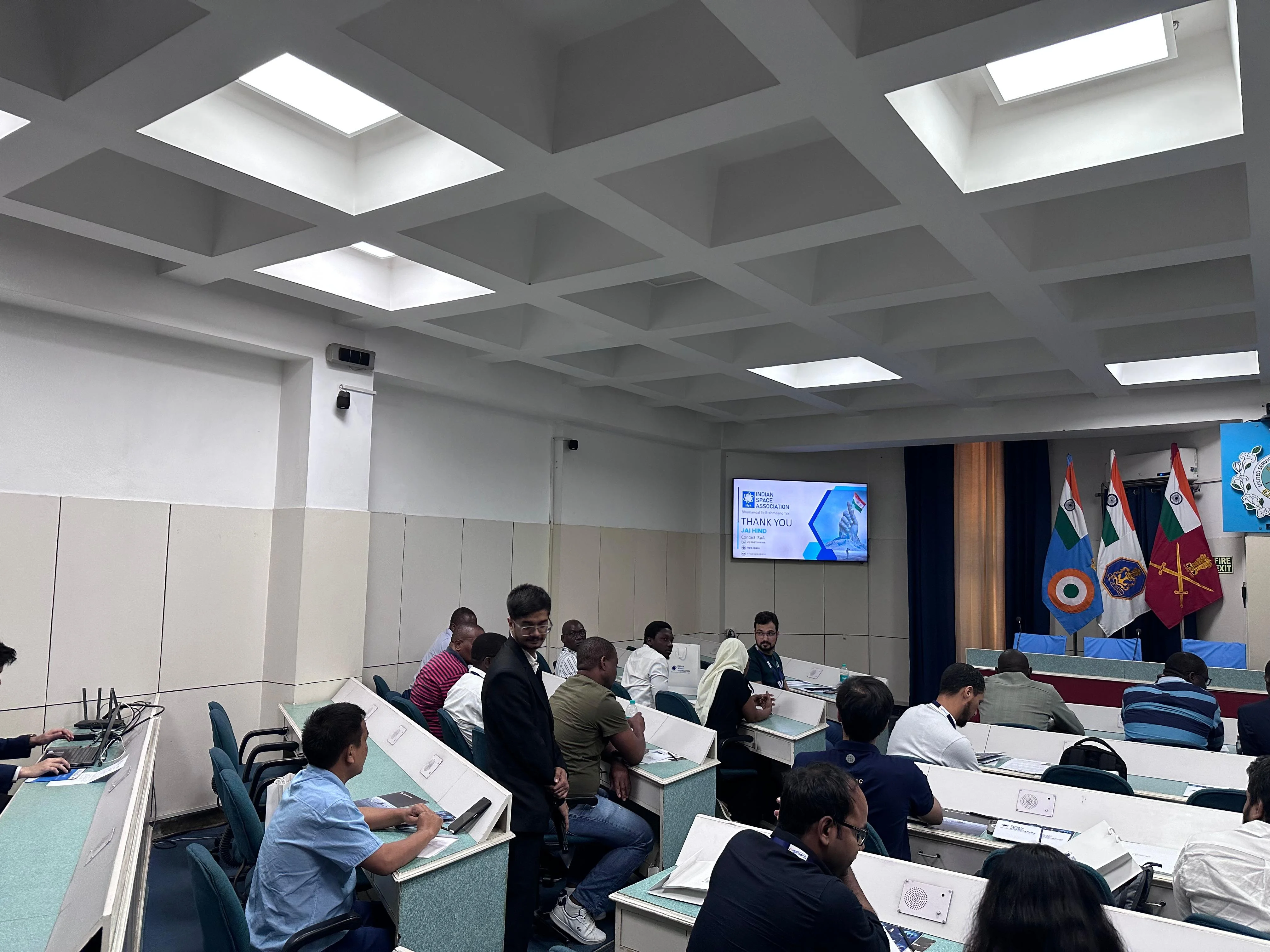
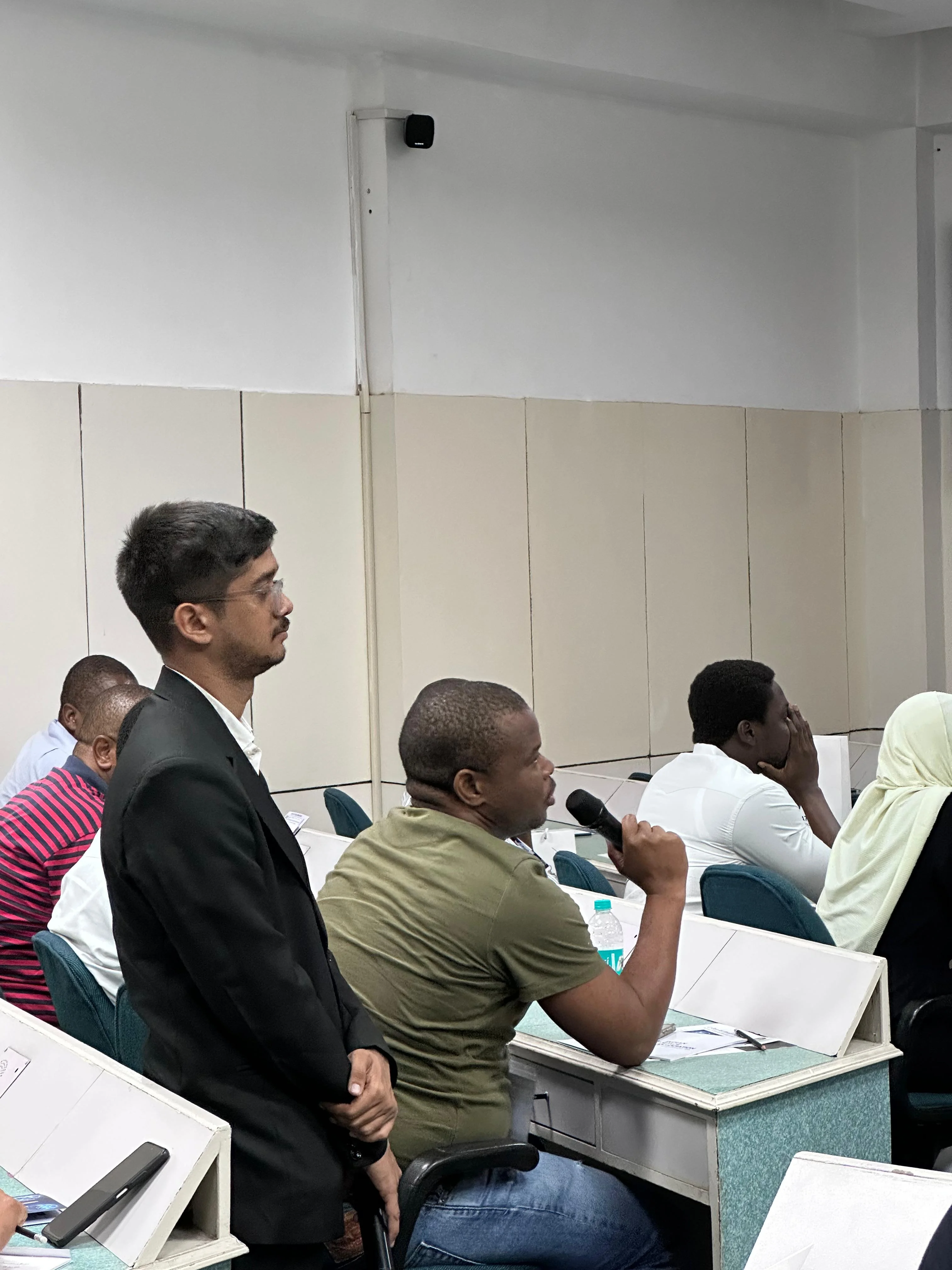
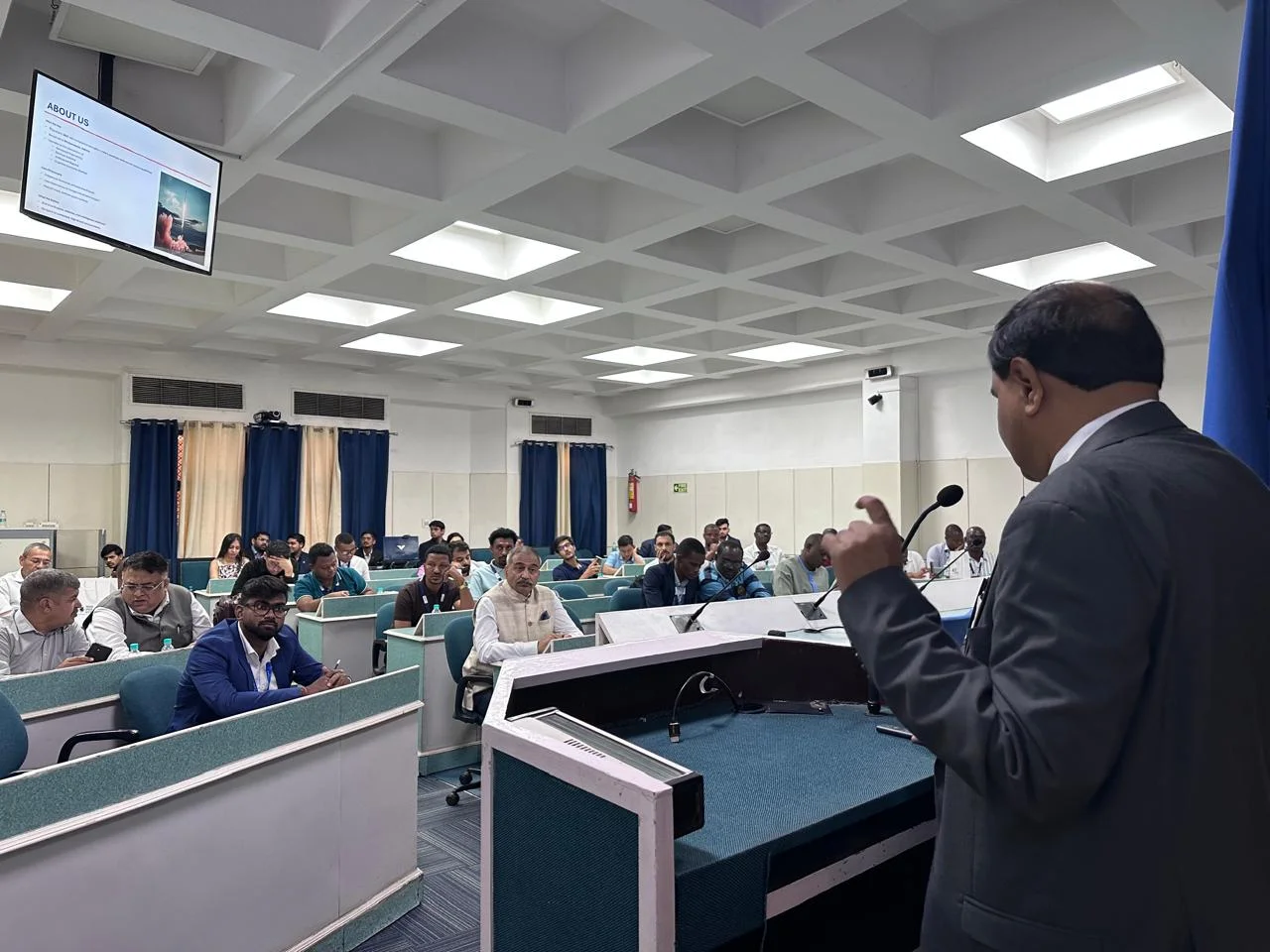
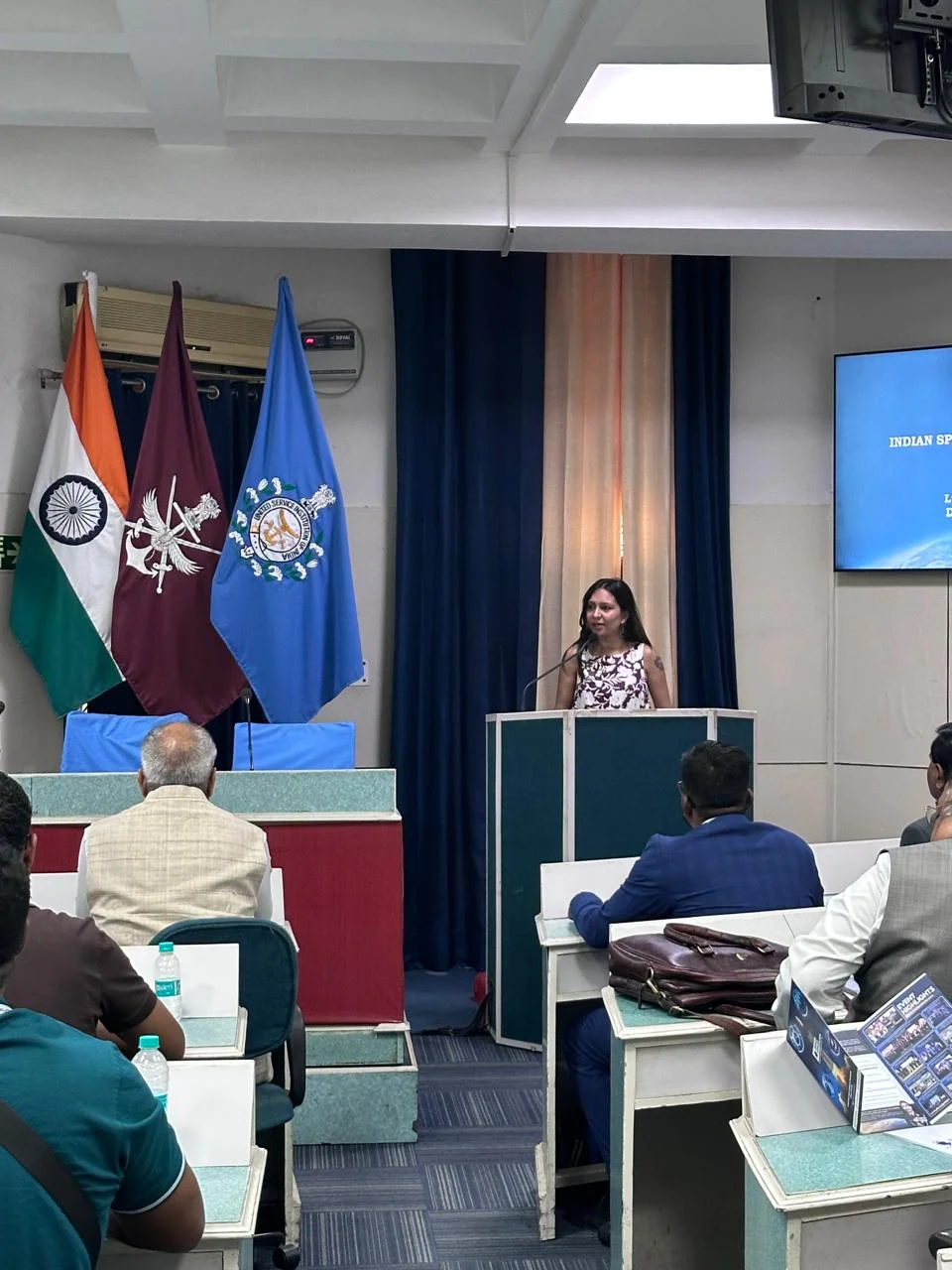
The Indian Space Association (ISpA) hosted a high-impact "Indian Space Industry Capability Workshop" at the USI, New Delhi, welcoming 28 distinguished delegates from 14 nations across Africa, South America and Asia. Part of the IN-SPACe ITEC course, the workshop underscored India's commitment to the philosophy of 'Vasudhaiva Kutumbakam'—extending the "world is one family" spirit to the final frontier.

indo sec 1

Strategic Vision: India as a Global Space Hub

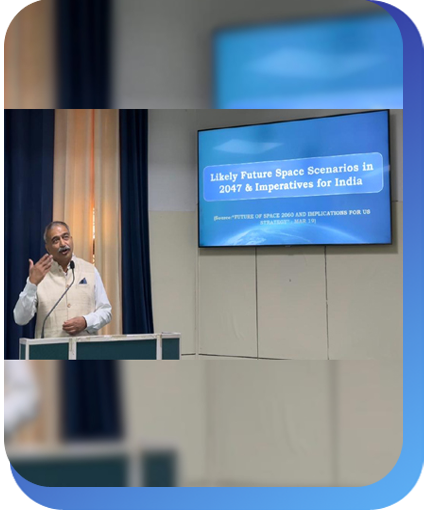
The session commenced with Opening Remarks and an insightful Brief from the Director General, ISpA, who charted India's meteoric rise from a government-led program to a vibrant, private-sector-driven ecosystem.

Key Highlights

Policy Reforms

Insights into the New Space Policy, Geospatial Policy, and the highly anticipated New Space Act were shared, showcasing a roadmap toward India’s 2047 vision.

The Quad-Pillar Framework

The DG highlighted ISpA’s role as the "voice of the Industry," acting as a bridge between the PMO, ISRO, IN-SPACe, and private players.

Strategic Imperatives

The discussion emphasized India's evolution into an "Atmanirbhar" (Self-reliant) space power that is now ready to support the Global South in its space ambitions.

Industry Showcases: Innovation at Orbit Speed

The workshop featured seven of India’s space tech companies, each presenting a "full-stack" vision of the future for their various space verticals.

Azista Space: Demonstrated its leadership in mass-manufacturing.

Highlighting the longevity of the AFR (Azista First Runner) satellite, they unveiled plans for a massive 16-acre expansion in the Gujarat Space Park, capable of producing 10 sub-meter payloads annually.

Dhruva Space: Showcased its "Full-Stack" prowess.

With 9 successful missions in 3 years and a massive 280,000 sq. ft. infrastructure upgrade underway, Dhruva presented its ASTRA-VIEW platform, offering access to data from over 250 partner satellites.

TASL (Tata Advanced Systems Ltd)

TASL highlighted the TSAT-1A satellite and their ability to integrate IoT sensors for end-to-end monitoring.

Pixxel: Redefined Earth Observation through hyperspectral imaging

Their Aurora platform is set to revolutionize mining and defense by utilizing 135 spectral bands to identify everything from runway health to tank mobility.

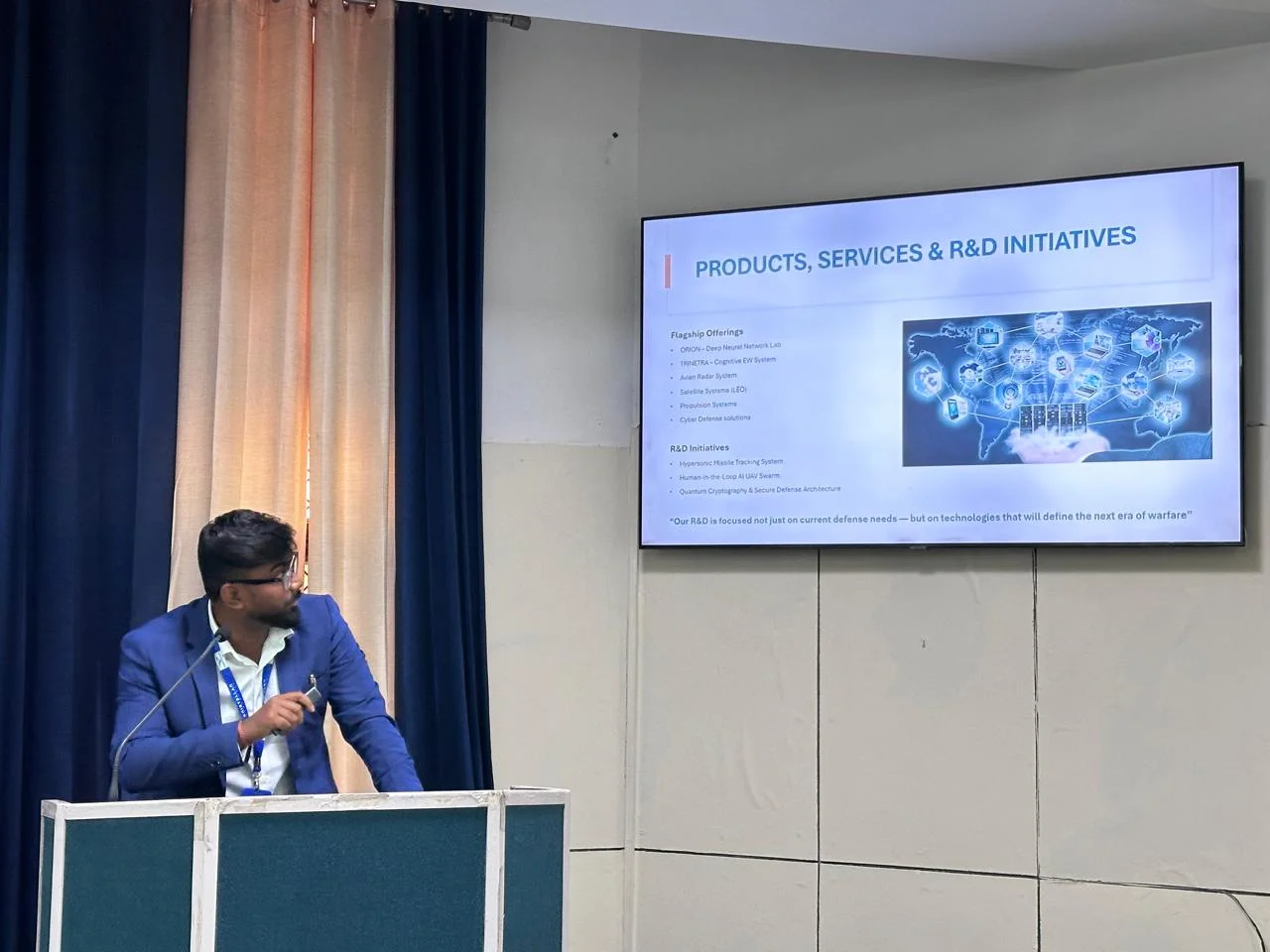
Kristellar Aerospace: Focused on the intersection of space and security

They introduced Trinetra, a cognitive electronic warfare system, and announced breakthroughs in indigenous 2.5 N composite engines and quantum cryptography.

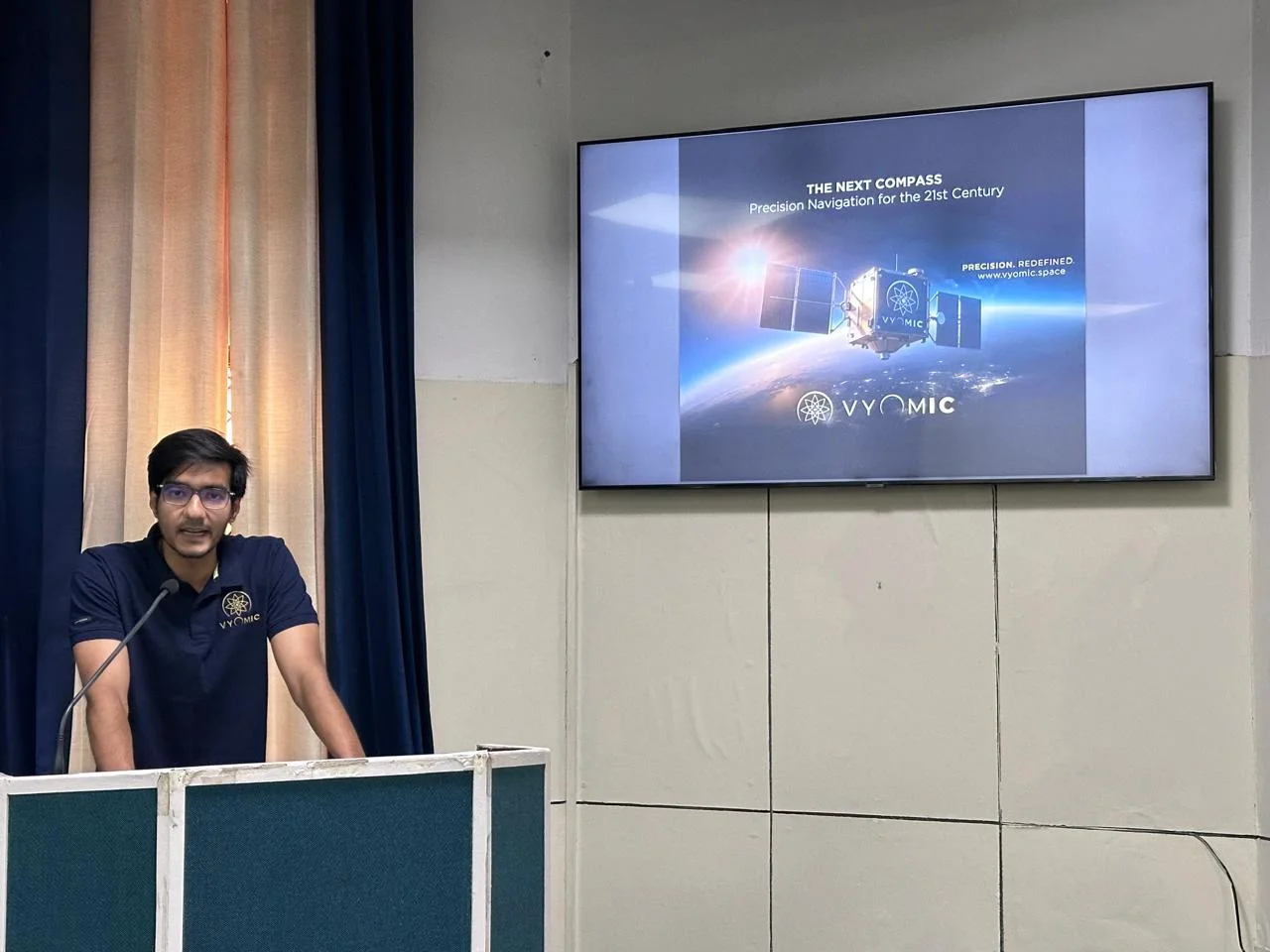
VyomIC

Addressed the critical need for sovereign PNT (Position, Navigation, and Timing) and shared their ambitious roadmap to launch Bharat’s first private global PNT constellation by 2027, ensuring Cm-level accuracy and spoof-resistant navigation.

Agnikul Cosmos: Closed the industry sessions with a vision for "Launch on Demand."

Featuring 3D-printed engines and the Agnibaan vehicle, Agnikul emphasized mobile launch capabilities, aiming for a staggering 25+ launches annually by 2028.

Indo-African Perspective & Beyond

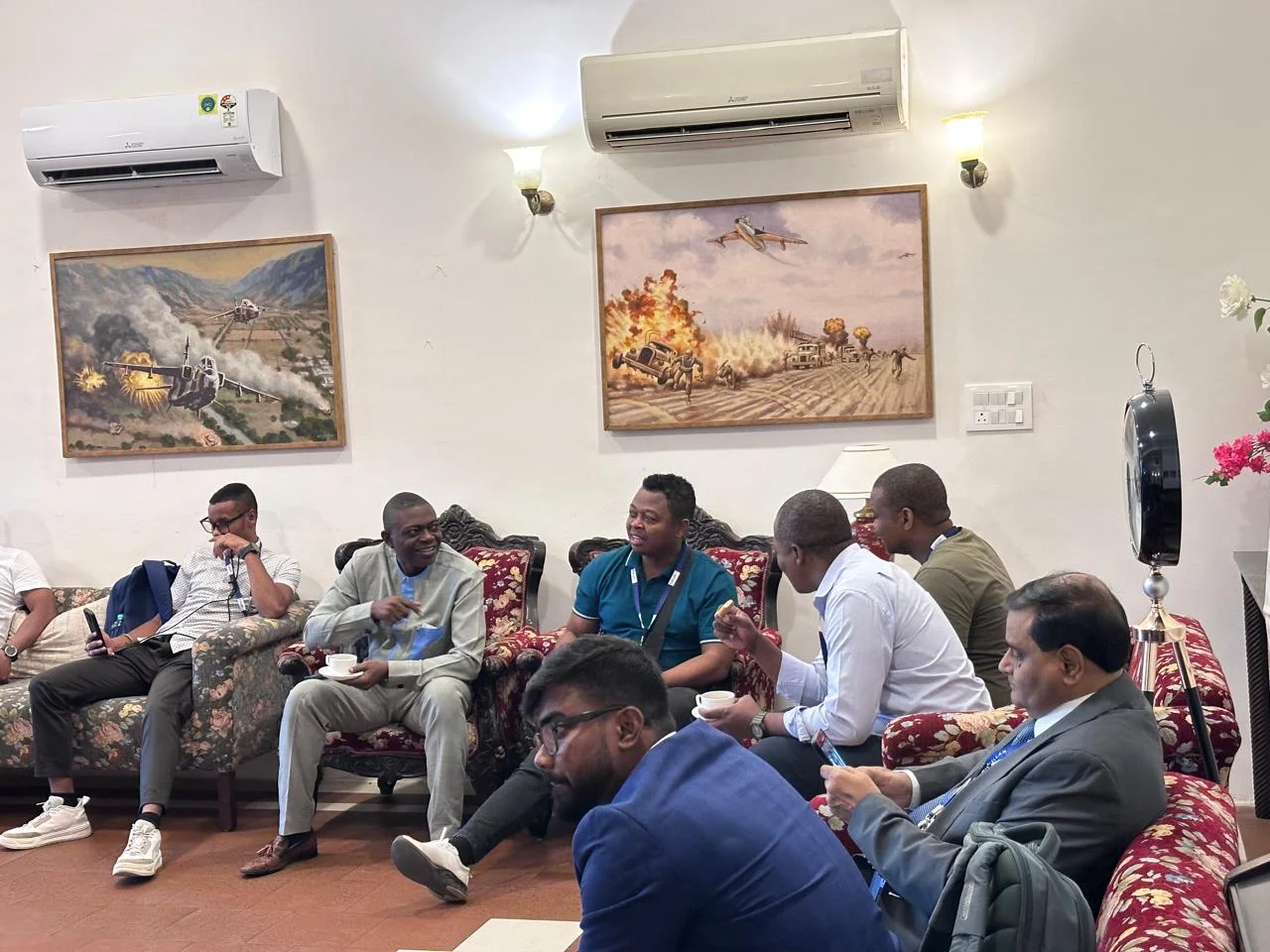
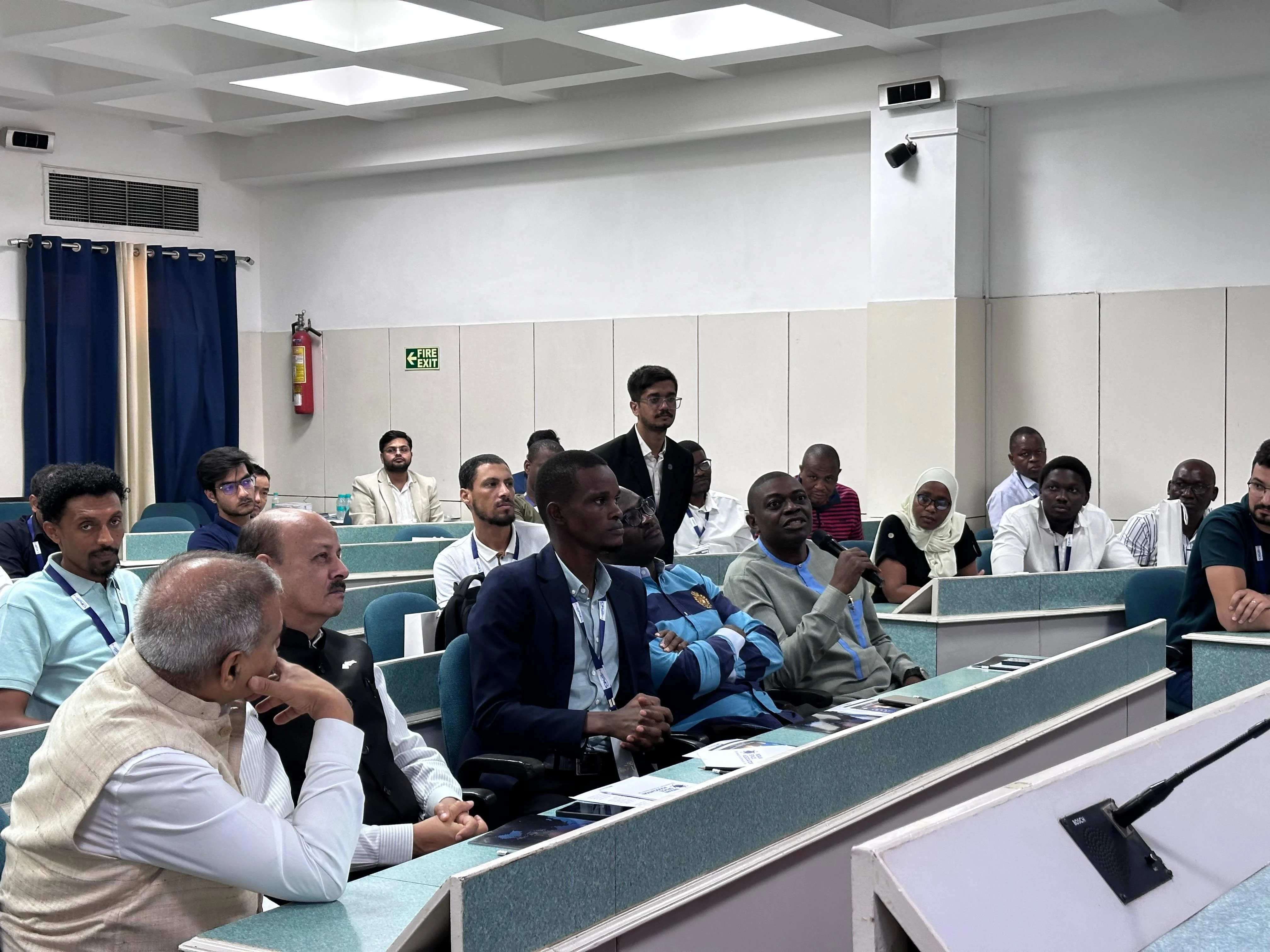
The workshop was a melting pot of ideas, with delegates from Algeria, Nigeria, Ethiopia, Madagascar, Ivory Coast, Eswatini, Bangladesh, Paraguay, Mauritius, Philippines, Myanmar, Nepal, and Turkmenistan engaging in a focused and enterprising Q&A session.

The discussions focused on how Indian satellite data, low-cost launch services, and secure navigation systems could be leveraged to benefit mankind—specifically in agriculture, disaster management, and national security for the participating nations.

indo african

Exhibition Highlights

Conclusion: A United Frontier

The "Indian Space Industry Capability Workshop" concluded with a clear consensus: the Indian private space sector is no longer just "emerging"—it is scaling. From AI-enabled hyperspectral analytics to 3D-printed rockets, the workshop demonstrated that the future of space is indigenous, collaborative, and rapidly expanding.

"These pivotal sessions proved that the Indian space ecosystem is ready to transition from a domestic player to a global service provider,especially for the global south by offering cost-effective and cutting-edge solutions for our partners across the globe." —